
News
Ayariga Proposes Digital Property Rate System to Boost Assembly Revenue
August 27, 2026
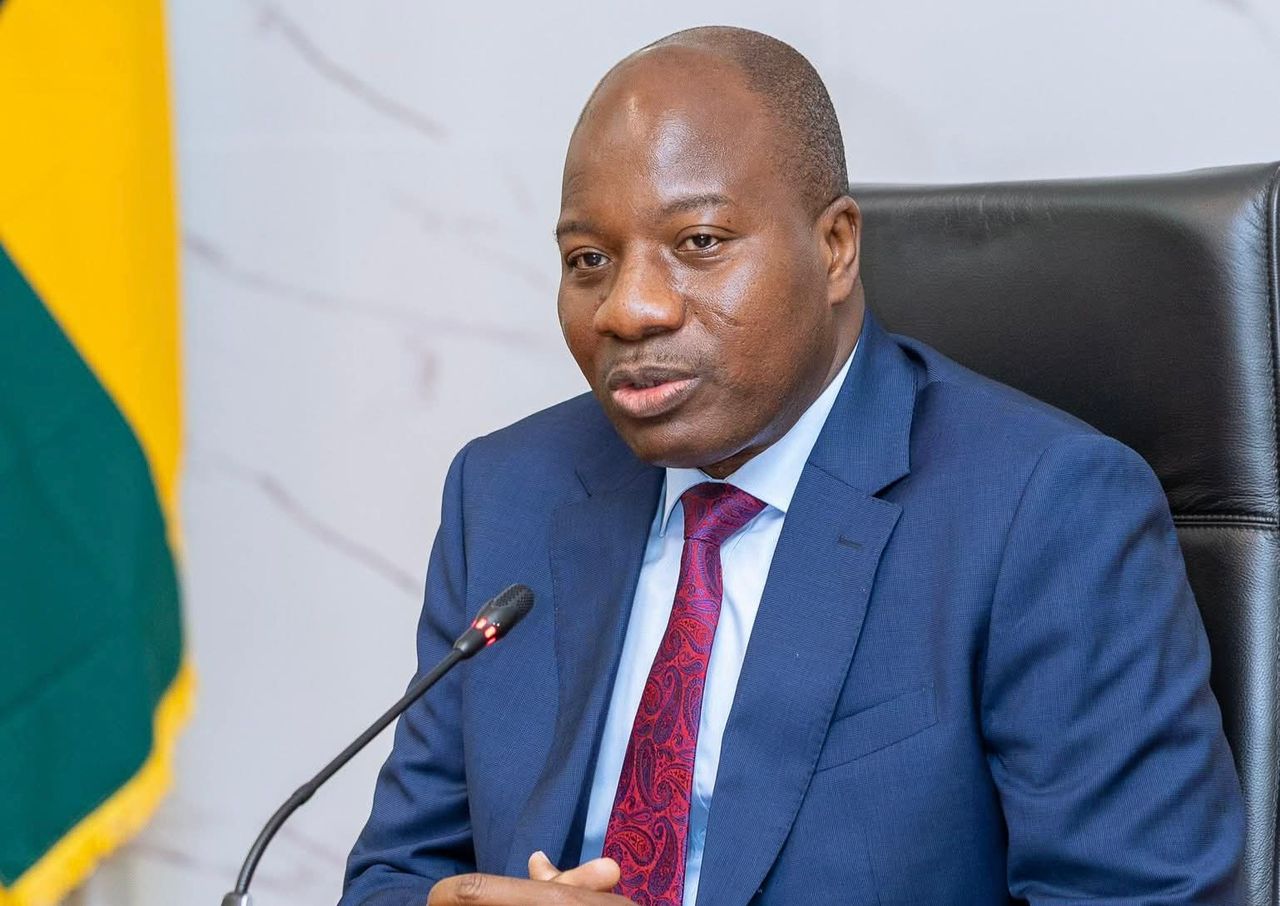
Minister-designate for Local Government Chieftaincy and Religious Affairs, Mahama Ayariga, has proposed a fully digital system for identifying, valuing and collecting property rates as part of efforts to increase revenue for Metropolitan, Municipal and District Assemblies (MMDAs).
Appearing before Parliament’s Appointments Committee for his vetting, Mr Ayariga said Ghana’s rapid urbanisation and the concentration of economic activity in urban centres presented significant revenue-generation opportunities for local assemblies.
He said the major challenge was not necessarily the absence of taxable properties, but the failure to properly identify, assess and collect the revenue due from them.
Mr Ayariga said, if approved as Minister, his first major intervention would be to establish infrastructure capable of identifying properties across the country that were liable to pay property rates.
He explained that although Ghana’s street naming and property addressing system provides the location of properties, it does not provide sufficient information about the nature or value of those properties for the effective assessment of rates.
He therefore proposed a nationwide exercise to properly identify, describe and value properties to enable assemblies to impose appropriate rates.
Mr Ayariga also proposed digitising the entire revenue collection process to minimise leakages and prevent the diversion or mismanagement of funds.
He said technology should be used not only to identify and value properties, but also for payment and the eventual disbursement of the revenue collected.
According to him, a centrally monitored and fully digital system would make it more difficult for individuals to divert funds collected on behalf of the assemblies.
Mr Ayariga also pointed to political and social pressures at the local level as another reason property rates have historically been poorly collected.
He noted that local officials may find it difficult to enforce property rate payments against politically influential individuals, traditional leaders or people connected to local political structures.
He further warned that when collection is left in the hands of party supporters, relatives or other politically connected individuals, there was a risk that some may regard the revenue as a reward for their political support rather than public funds that must be properly accounted for.
He said these dynamics, among others, had contributed to the persistent difficulty in mobilising property rate revenue at the local level.
Mr Ayariga also acknowledged that not every potential source of revenue may be economically worthwhile to pursue, noting that some taxes could cost more to collect than the revenue they generate.
He said his approach would therefore combine efficient identification and valuation with an assessment of which revenue sources were genuinely worth pursuing.
The proposed system, he said, would be digitally driven from end to end—from identifying and valuing properties, through payment, to the disbursement and monitoring of funds.
Mr Ayariga expressed confidence that such a system would enable MMDAs to unlock their full revenue potential and provide them with greater resources to address local development challenges.
By Kukua Snead-Michaels