
News
Ghana Food Prices remain stable – AGRA
September 17, 2026
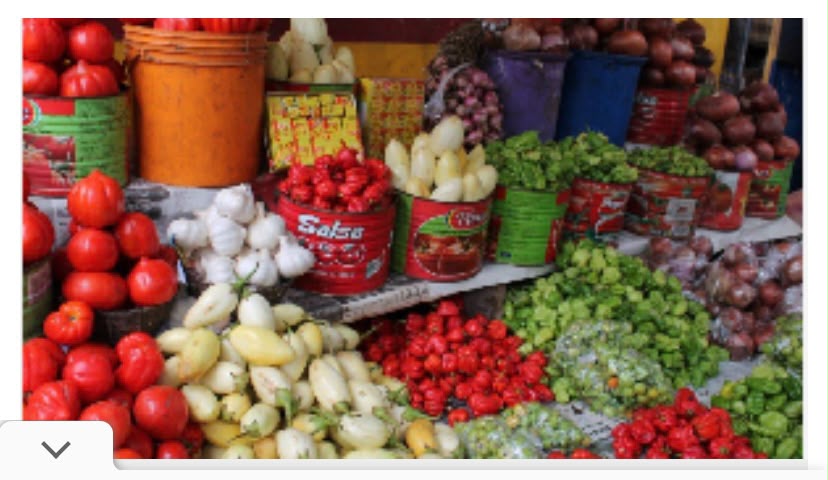
Food prices in Ghana remained largely stable in August 2026 compared to July, but rising maize and fuel costs are raising fresh concerns about food affordability and household expenses.
This is according to the latest Food Security Monitor by the Alliance for a Green Revolution in Africa (AGRA), which indicates that while prices of some key staples remained unchanged, others recorded increases. The report said the national average price of rice remained stable at GH₵11,100 per metric tonne, with no month-on-month change. Rice prices were 0.9% higher than three months ago but 10.1% below levels recorded six months earlier and 16.4% lower than a year ago, reflecting relatively adequate domestic and imported supplies. Sorghum prices also remained unchanged at GH₵5,833 per metric tonne. The commodity recorded a 1.2% decline compared to three months ago and was 10.3% below its six-month level. However, prices remained 2.9% higher than the same period last year. Maize prices, however, recorded a significant increase.
According to AGRA, the national average price of white maize rose by 8.9% month-on-month to GH₵3,141 per metric tone in August. Despite the increase, maize prices remained 8.9% lower than six months ago and 36.3% below year-earlier levels, suggesting that market conditions remain more favorable than in 2025.
The report also highlighted renewed increases in fuel prices, which could add to transportation and distribution costs. Petrol prices increased by 3% in August compared to July, while diesel prices rose by 1%.
The increases have pushed petrol and diesel prices to 29% and 19% above their March levels, respectively, raising concerns about sustained cost pressures across the economy. Global Food Prices Also Increase On the international market, the Food and Agriculture Organization’s (FAO) Food Price Index rose by 1.9% to 133.3 points. The increase was driven by higher sugar prices, which rose by 11.9%, alongside a 2.2% increase in cereals and gains in dairy prices.
AGRA attributed the pressure on grain markets partly to adverse weather conditions in Europe and disruptions to exports from the Black Sea region. Weather and Transport Costs Pose Risks For Ghana, the report indicated that easing fertiliser price pressures could provide some relief to farmers. However, it warned that variable rainfall patterns, localised moisture deficits and high transportation costs could threaten food availability and affordability in the coming months.
The developments highlight the mixed outlook for Ghana’s food market, with relatively stable prices for some staples contrasting with rising maize and fuel costs. While current prices of some commodities remain below levels recorded a year ago, AGRA’s findings point to continued risks that could affect food access and household spending if cost pressures persist.