
News
No government can fully solve Ghana’s school infrastructure crisis – GNACOPS Director
May 12, 2026
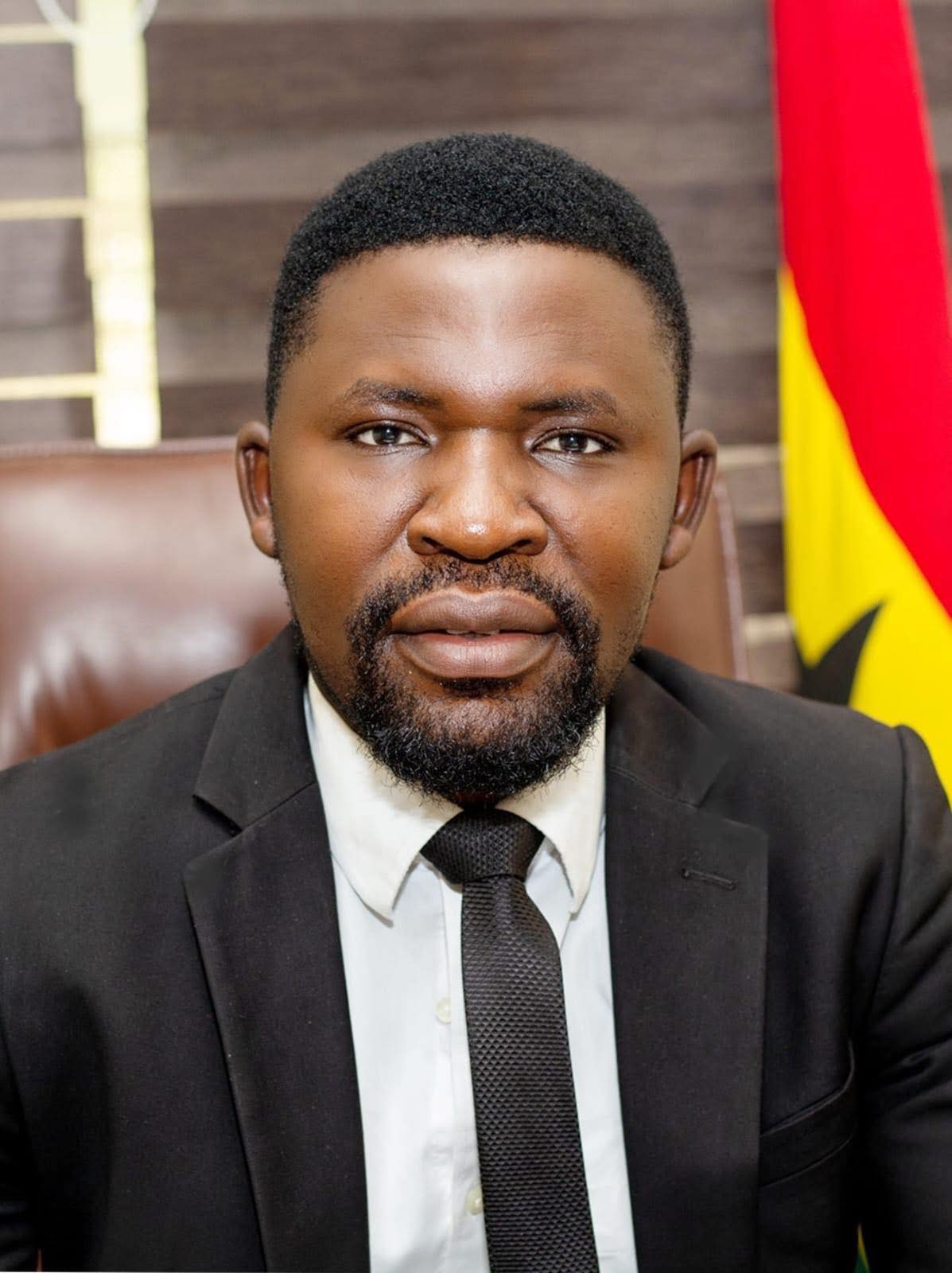
The National Executive Director of the Ghana National Council of Private Schools, Obenfo Nana Kwasi Gyetuah, has said no government can fully resolve Ghana’s growing school infrastructure deficit within a short period, warning that it could take more than a decade to adequately address the crisis.
Speaking on Anopa Bosuo, a current affairs programme on ATV, Mr. Gyetuah said the steady increase in student enrollment across the country continues to place enormous pressure on existing educational infrastructure, making it difficult for successive governments to provide enough classrooms, furniture, and other essential learning resources.
“No government can solve Ghana’s school infrastructure challenge in just a few years,” Mr. Gyetuah said during the interview. “Looking at the growing student population and the scale of the deficit, it could take more than ten years to address it fully.”
He explained that overcrowded classrooms, inadequate teaching materials, and limited access to basic facilities remain major challenges in many schools, particularly in rapidly growing communities. According to him, the infrastructure gap affects both public and private institutions and has implications for the quality of teaching and learning.
Education sector stakeholders have repeatedly raised concerns about infrastructure shortages in schools, with issues such as dual-track systems, classroom congestion, and inadequate furniture often linked to rising enrollment figures and limited investment in school expansion.
Mr. Gyetuah called for long-term strategic planning, increased investment, and stronger collaboration between government, private sector players, and education stakeholders to help bridge the infrastructure gap and improve learning conditions for students across the country.